

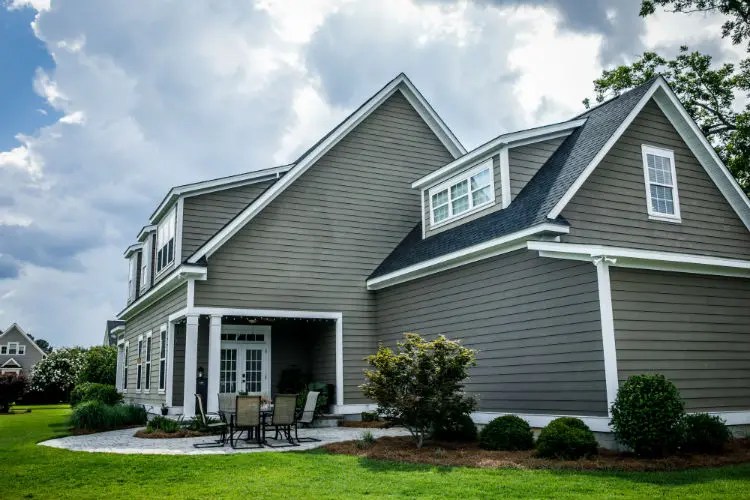
When it comes to investing in replacement siding, homeowners often find themselves wondering which siding is better for their home—James Hardie® fiber cement siding or vinyl siding. The answer comes down to a comparison of several factors and identifying those that matter most to you and your home.
To help you better understand your options, here are some things homeowners need to know about both vinyl siding and fiber cement siding, as well as several benefits of investing in James Hardie siding for your Minnesota home.
How Vinyl and Fiber Cement Siding Are Made
Both fiber cement siding and vinyl siding are man-made materials that stand out for their versatility. Vinyl siding is made from PVC, a strong and lightweight form of plastic. It is affordable and easy to install.
Fiber cement siding is made from a blend of cement, sand and wood fibers. A leader in fiber cement products, James Hardie has created one of the most long-lasting, attractive lines of fiber cement siding products on the market. James Hardie siding is also highly favored by homeowners.
5 Advantages of James Hardie Siding
As you compare Hardie siding to vinyl siding, you’ll realize that fiber cement siding, especially the siding made by James Hardie, offers many benefits to a homeowner.
1.Superior Longevity
Both vinyl siding and Hardie board fiber cement siding are crafted to resist the effects of weather and pests better than a natural material like wood. But James Hardie siding excels compared to vinyl siding in terms of its durability:
Resists damage—Hardie siding is thicker than vinyl, which is quite thin. As a result, vinyl siding tends to be more easily nicked, scratched, cracked or punctured by rocks, tools, rocks thrown from lawnmowers, and other objects.
Resistant to the elements—As it ages, vinyl siding becomes brittle and more easily damaged by hail and debris. It also fades after long-term exposure to the sun.
By comparison, James Hardie fiber cement siding is specifically engineered to perform well in any climate. It stands up well against all types of damaging weather—including hail, snow, ice, ocean spray, heat, and dust.
Great warranty—James Hardie siding comes with a 30-year warranty, one of the best in the home construction industry. Vinyl siding warranties vary by brand, but typically last less than 30 years.
2.Stunning Curb Appeal
One reason for investing in replacement siding is to beautify your home. In this area, James Hardie fiber cement siding outshines vinyl in many ways.
Mimics real wood—Because Hardie siding is thicker than vinyl, it can be given a richer, deeper appearance of texture. This means it can be made to look much more like real wood than vinyl siding can.
Easily customizable—James Hardie siding comes in a variety of styles, and these styles can easily be mixed and matched. Homeowners can create the look of wood lap boards, cedar shingles, wood shake siding, a board-and-batten look and more.
Wide range of colors—Hardie siding comes either primed for painting in any color you like, or it can be infused with Hardie’s unique ColorPlus® technology, which essentially bakes on the color so you get years of beautiful performance.
3.Easy Maintenance
Vinyl siding and James Hardie fiber cement siding both have an advantage over wood, brick, or stone—they’re easy to care for. They don’t get eaten away by insects, woodpeckers, or other pests.
Rinse with a hose—Fiber cement siding and vinyl siding both benefit from being rinsed gently with a hose once a year to remove dust and grime.
Occasional painting—Vinyl siding can fade from exposure to sunlight. Fiber cement siding holds color very well, though it can benefit from a fresh coat of paint every 10-20 years.
4.Better Fire Resistance
Out of all the siding materials available, James Hardie fiber cement siding outperforms them all in terms of protecting your home from fire.
Doesn’t warp—Exposure to heat from a nearby grill can warp vinyl siding, as can the reflection of sun off a window. But fiber cement resists warping.
Non-combustible—While vinyl is typically treated with a flame retardant, a house fire will still eventually damage vinyl siding. But fiber cement doesn’t burn. In fact, James Hardie® siding is rated non-combustible, giving homeowners great protection from damaging house fires.
5.Higher Return on Investment
A final area that homeowners consider when installing new siding is the cost. James Hardie siding is priced higher than vinyl siding, but cost is only one element to think about. Here are some other ways to look at the investment you’re making in your home’s siding:
Cost-effective over the long-term—Fiber cement siding is heavier than vinyl and requires more labor and experience to ensure a proper installation. But this cost is balanced by James Hardie siding’s superior, consistent performance over time.
Rental property vs. permanent home—Vinyl siding is less expensive to install, which makes it a good choice for rental properties. But if you plan to live in a home for many years, the great look and easy maintenance of James Hardie siding is often a better choice.
Siding that Gives You Peace of Mind for Years to Come
Your Minnesota home is your castle! It’s a major part of your daily life. And you deserve to have a beautiful house that is easy to care for, is protected from the wear and tear of age, and enhances your lifestyle.
We understand how overwhelming home improvements can be, which is why Iron River Construction’s expert team is committed to making home improvements stress-free and satisfying to homeowners. We put our nearly 20 years of experience to work to give you siding installation you can rely on for many years, worry-free.
To get started on a consultation, simply set your own appointment with us today. We’ll answer any questions, show you samples of siding, and provide a free estimate for siding installation that will have you loving your home’s look and performance.

